
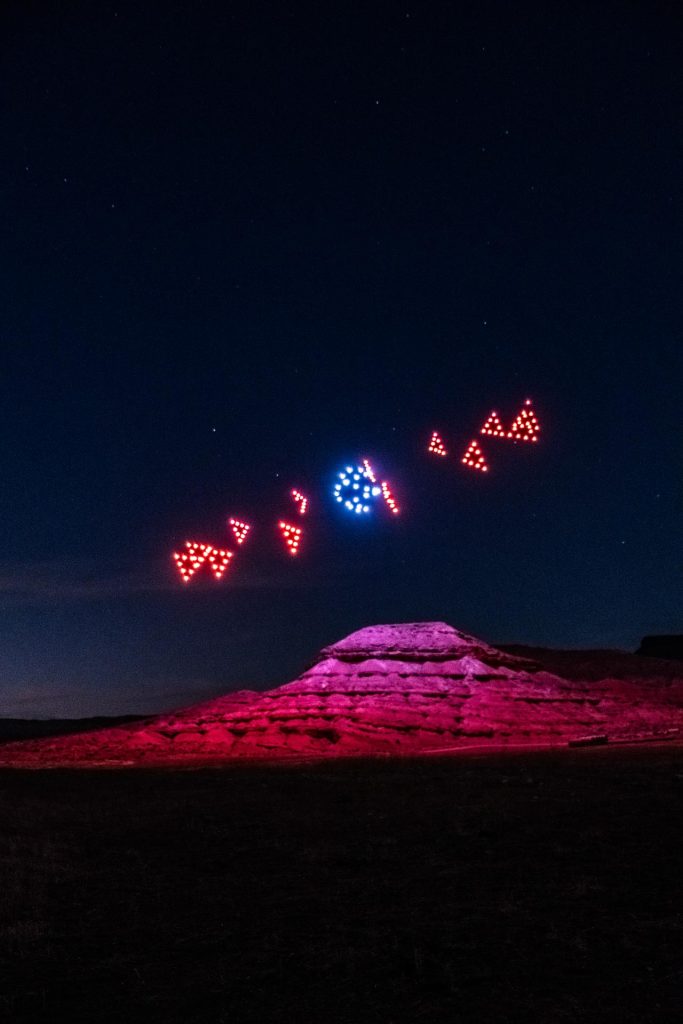
Festival organizers are already looking toward the horizon, and the view is changing rapidly. For decades, the standard finale for any major event was a fireworks display. But as environmental concerns and technology evolve, a new standard is emerging. Cities along the west coast are leading a massive shift toward aerial drone entertainment for their 2026 festival calendars.
This transition isn’t just about following a trend; it is a strategic move to address safety, sustainability, and audience engagement. From San Diego to Seattle, municipal planners and event producers are reimagining their skylines. If you are curious about how these massive productions come together, here is a look at the planning strategies driving the future of west coast entertainment.
Why are West Coast festivals switching to drone shows?
The decision to move away from pyrotechnics is often driven by necessity. The west coast faces unique environmental challenges that make traditional fireworks increasingly difficult to justify. Drone shows offer a solution that preserves the spectacle without the risks.
Key drivers for this shift include:
- Fire Safety: With wildfire seasons becoming longer and more intense, many cities can no longer permit open flames or explosive debris. Drones offer a zero-risk alternative.
- Environmental Impact: Drones leave no smoke, chemical residue, or physical trash behind, aligning with the strong sustainability goals of many coastal communities.
- Noise Reduction: Unlike loud explosions that disturb wildlife and pets, drone shows are quiet, making them ideal for urban centers and protected natural areas.
What does the planning timeline look like for 2026?
You might think 2026 is far away, but for a large-scale drone production, the planning phase is already beginning. Creating a custom show for a major festival is not an overnight process. It requires a long runway to ensure regulatory compliance and creative excellence.
Successful west coast organizers are following a specific timeline:
- 18–24 Months Out: Budget approval and vendor selection. This is when cities secure their dates with top-tier providers.
- 12 Months Out: Airspace analysis. Planners work with the FAA to identify flight restrictions, especially in busy metro areas near airports.
- 6–9 Months Out: Creative development. Storyboards are drawn, and custom animations are coded to match the festival’s theme.
- 3 Months Out: Final permitting and community outreach.
How are organizers using drones for storytelling?
The biggest advantage of a drone show is its ability to tell a narrative. Fireworks are abstract; drones are literal. Organizers are using this technology to create specific, branded moments that resonate with local culture.
For 2026, we are seeing requests for:
- Local Iconography: Animating city landmarks, mascots, or historical figures in the sky.
- QR Codes: Creating functional QR codes in the sky that audiences can scan to unlock exclusive content or discounts.
- Musical Sync: Tightly choreographing the lights to live performances or custom soundtracks for an immersive experience.
To see examples of how these elements come together in a live environment, you can view our gallery of drone show performances.
Frequently Asked Questions about Festival Drone Shows
As this technology becomes more common, event planners often have logistical questions. Here is the most common inquiry we receive regarding large-scale events.
How many drones are needed for a major festival?
The number of drones depends on the complexity of the design and the size of the audience. For a small community event, 200 drones can create simple logos and shapes. However, for a major west coast festival where the show needs to be visible from a distance and offer high-resolution detail, we typically recommend a fleet of 500 to 1,000 drones. This density allows for fluid 3D animations and intricate transitions that captivate large crowds.
What are the technical requirements for a launch site?
One of the most critical aspects of planning is securing the right real estate on the ground. Drones need a safe place to take off and land, and this area must be strictly controlled.
For a standard festival setup, organizers need to provide:
- Secure Launch Zone: A flat, level area (roughly 100×100 feet for smaller fleets) that is fenced off from the public.
- Power Supply: Access to reliable power or generators to charge the fleet between rehearsals and the final show.
- Clear Airspace: A flight path that avoids flying directly over people or active roadways, per FAA regulations.
Ready to plan your 2026 spectacular?
The shift toward high-tech aerial entertainment is undeniable. By prioritizing safety, sustainability, and storytelling, west coast cities are setting a new global standard for what a festival finale looks like. Planning ahead ensures that you secure the best talent and navigate the regulatory landscape with ease.
If you are looking to bring a world-class drone show to your next event, do not wait until the last minute. Contact our team today to discuss your vision and secure your place on the calendar for 2026.
